Jetzt 15% Osterrabatt sichern.
Hier
mehr erfahren!
Beratung
Wollen
Transformation
Skalierung
Machen
6D Assessment
Agile Audit
Produktentwicklung
Menschenzentrierter Stellenabbau
Können
ScrumMaster
Agile Coach
Transformation Expert
Trainings & Workshops
Agile Rollen & Produktentwicklung
ScrumMaster
Product Owner
Kombi ScrumMaster & Product Owner
Agile Coach Ausbildung
Moderne Führung
(Neuro-) Diversität
Agile Leadership Training
OKR & Zielsysteme
Agile Leadership Programm
Ausrichtung & Handlungsfähigkeit als Team
KI als Teammitglied
Alle Trainings im Überblick
Über uns
Wissen
Scrum Checkliste
Das kompakte Toolkit für die erfolgreiche Umsetzung von Scrum
Video
Mit Bewegtbild die Welt der Agilität erkunden.
Blog
Praxisnahe Perspektiven zu Agilität, New Work, Nachhaltigkeit & Co.
Case Studies
Konkrete Einblicke in ausgewählte Transformationsprojekte
Bücher
Unser gebündeltes Wissen aus 15 Jahren Beratung
Whitepaper
Hilfreiche Lösungsansätze für aktuelle Herausforderungen
Alle Publikationen im Überblick
Reden wir
Blog Posts
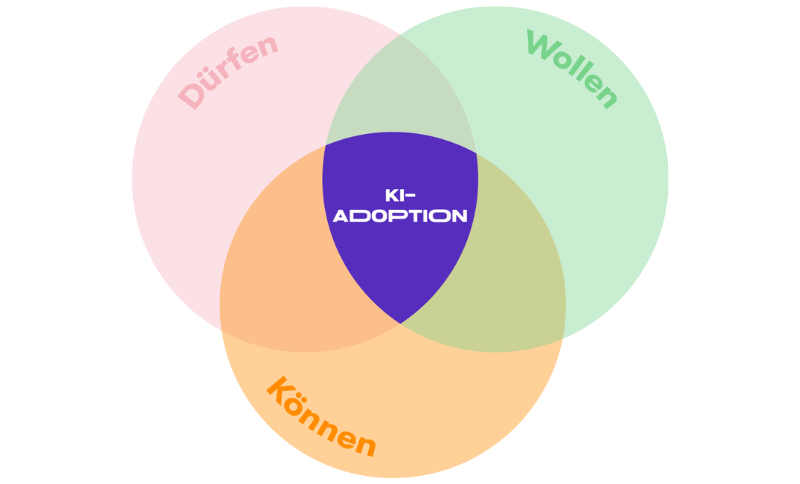
Der unterschätzte Erfolgsfaktor der KI-Adoption: Psychologische Sicherheit
Arbeiten mit einem anderen Betriebssystem – was Neurodivergenz über Führung und Zusammenarbeit sichtbar macht
Vom KI-Sparringspartner zum autonomen Akteur: Sind wir bereit für AI Agents?
KI ist Technologie. Adoption ist Change.
Warum Führungskräfte mehr sehen müssen als Organigramme
Klassisches Change-Management ist tot. Es lebe Change-Management 2.0
Wie läuft das ScrumMaster & Product Owner Kombi-Training bei uns ab?
Warum unfertige Projekte teurer sind, als du denkst
Weniger anfangen mehr abschließen: Das Geheimnis produktiver Teams
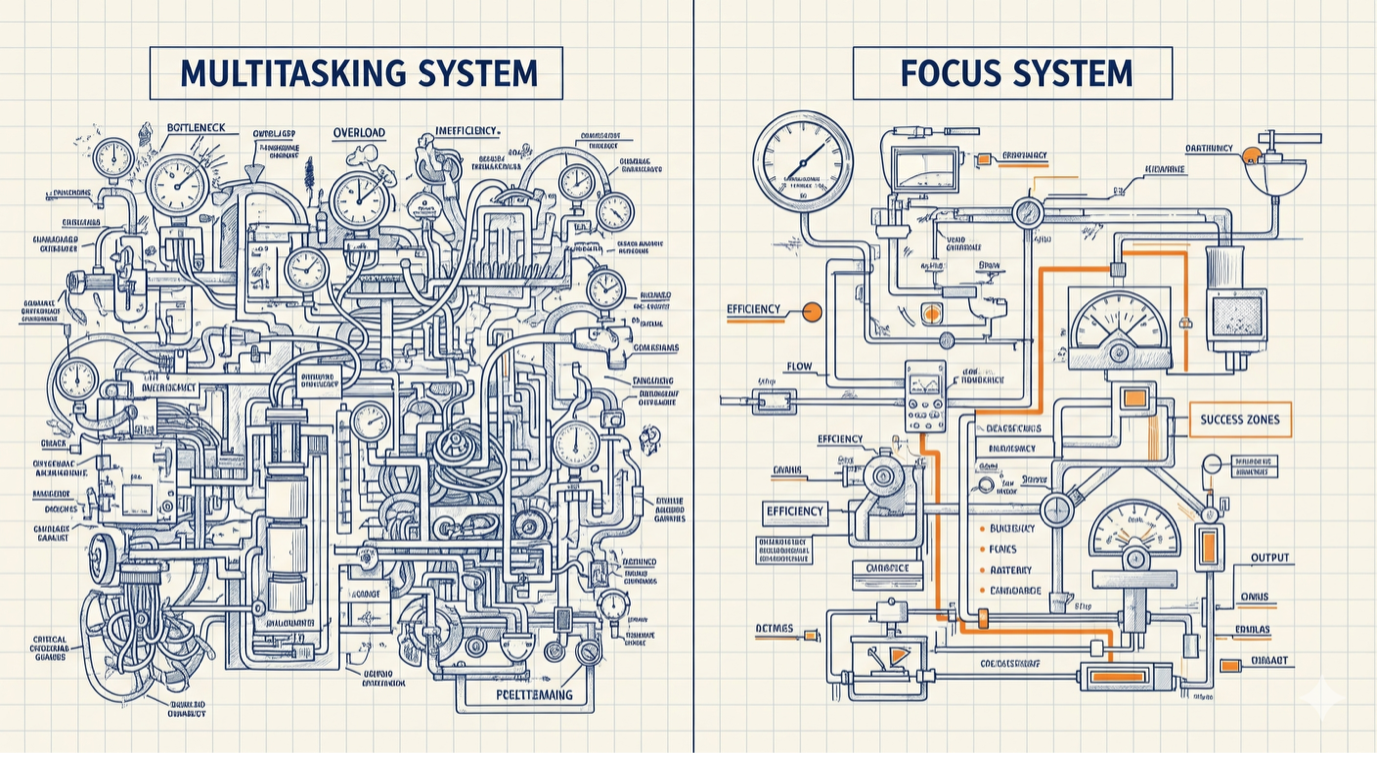
Multitasking macht müde - warum Fokus dein stärkstes Führungsinstrument ist
Wie du mit klaren Rollen Erwartungen managst (und Konflikten vorbeugst)
Innere Klarheit statt Aktionismus – wie du als Führungskraft souverän bleibst
Zwischen Klarheit und Kontrolle – was moderne Führung heute wirklich braucht
Gute Führung beginnt bei dir - warum Selbstführung kein Luxus ist
„Purpose statt Position“ - warum der Wunsch nach Sinn zum neuen Karrieremotor wird
Arbeiten im Wandel - was Unternehmen heute leisten müssen
Was ist eigentlich ein Agile Coach - und brauchen wir das wirklich?
Finde deine Stimme – und nutze KI als Verstärker
Leadership in the AI Era: Reinventing Human-Centered Leadership
KI hier, KI da – was bedeutet das für mich als Führungskraft?
Der kybernetische Teamkollege
Agile Strategie mit OKRs: Vom Denken ins Tun kommen
KI als Teammitglied - Wie Scrum Master von generativer KI profitieren können
Die Bildungskrise und warum einfache Antworten nicht reichen – auch Scrum4Schools ist da nur ein Tropfen auf den heißen Stein
Next
1 / 53
Kategorien
Agile Organisation
Agile Coach
Agile Verwaltung
Agiles Backoffice
Agiles Management
Skalierung
Soziokratie
Transformation
Agile Prinzipien
Freiwilligkeit
Kundenfokus
Selbstorganisation
Agile Toolbox
Design Thinking
KANBAN
Lean
OKR
Produktentwicklung
Hardware
Scrum
Enterprise Scrum
Product Owner
Rollen
Schätzen
Scrum Artefacts
Scrum Meetings
Daily Standup
Retrospektive
Scrum Training
Scrum Values
Scrum-Begriffe
ScrumMaster-Praxistipps
User Story
Agiles Bauen
Arbeiten bei borisgloger consulting
Automotive
Finance
Audit
Fintech
Sustainable Finance
KI
Retail
Change
Agiles Lernen
Digitale Transformation
Soziale Innovation
Energie
Healthcare
Innovation
Life
Nachhaltigkeit
Biodiversität
Neues Arbeiten
Führung
Meetings
Remote Arbeiten
Innovation
Scrum4Schools
Agile Schulentwicklung
Scrum4Schools im Unterricht
Social Skills
Team
Versicherung
Thank you! Your submission has been received!
Oops! Something went wrong while submitting the form.
.avif)



.avif)








.webp)
.png)


